 0


 English
 Français
 Español
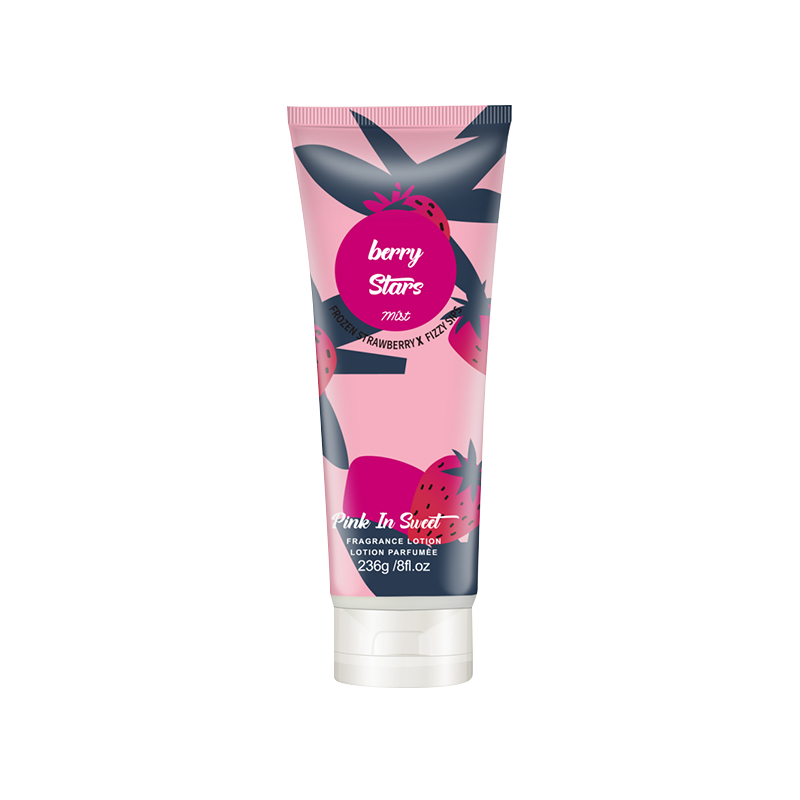
As the personal care market continues to evolve, consumers are paying attention not only to skin hydration but also to fragrance, texture, and the overall experience of everyday skincare. For overseas brands, importers, and wholesale buyers, choosing a suitable Fragrance Lotion Factory involves evaluating fragrance development, formulation options, packaging compatibility, and target-market preferences. Sloggi's B0023-FS-1 Berry Stars Women Body Lotion combines sweet orange, blood orange, crisp apple, and melon with lily of the valley, jasmine, and vanilla, followed by warm amber, musk, and sandalwood. This fruity floral composition creates a layered fragrance concept for women's body care, offering brands an option to consider when developing products that combine daily moisturization with a distinctive scent experience.
Why Are Fruity Floral Scents Appealing for Women's Body Care?
Fruity floral fragrances offer a flexible direction for women's personal care products because they can combine bright, fresh impressions with softer floral character and a warm finish. Compared with a fragrance built around a single fruit note, a fruity floral composition can create a more varied scent experience through the interaction of different fragrance elements. Consumers may consider not only how a body lotion smells but also whether the fragrance suits their daily routines and personal preferences.
For overseas brands, developing this type of product begins with a clear understanding of the intended customer. Fruity notes can create a lively impression, floral elements may add softness, and woody or amber notes can bring warmth to the overall composition. The balance between these elements influences the finished fragrance, making sample evaluation an important part of product development.
Sloggi's B0023-FS-1 Berry Stars Women Body Lotion follows this approach by combining a bright fruit-inspired opening with a floral heart and a warm base. The composition gives the product a recognizable fragrance direction and provides useful details for product descriptions, packaging concepts, and marketing materials. Rather than relying on a fragrance name alone, brands can explain the individual scent notes and how they work together.
When evaluating a fruity floral body lotion, buyers can consider several factors:
- Fragrance balance: Assess whether the fruit, floral, and base notes create a coherent overall scent.
- Product identity: Consider whether the fragrance supports the intended brand image and product positioning.
- Target customer preferences: Evaluate whether the scent direction suits the intended market and sales channel.
- Product communication: Use clear fragrance descriptions to help customers understand the scent profile before purchase.
These considerations help brands define a more specific product concept and communicate its characteristics to overseas customers.
How Do Orange, Apple, and Melon Shape the Opening Notes?
The opening notes often establish the impression of a fragrance. In B0023-FS-1 Berry Stars Women Body Lotion, sweet orange, blood orange, crisp apple, and refreshing melon create a bright, fruit-forward introduction. The combination brings together citrus freshness and softer fruity nuances, giving the fragrance a lively character.
Sweet orange contributes a familiar citrus impression, while blood orange introduces another dimension to the citrus profile. Apple adds a crisp fruity note, and melon brings a softer, refreshing quality. Together, these ingredients create a more varied opening than a composition centered on a single fruit aroma.
For a body lotion, the opening should also work within the intended daily care experience. Some consumers may prefer a fresh scent after a morning shower, while others may choose a fruity fragrance as part of their regular skincare routine. Product descriptions can explain these sensory characteristics without making claims that are difficult to verify.
When assessing a fruity fragrance lotion, procurement teams may wish to review the following points:
- Fruit-note harmony: Check whether orange, apple, and melon complement one another.
- Fragrance identity: Consider whether the scent has a clear direction that fits the product concept.
- Market suitability: Review the fragrance against the preferences of the intended customer group.
- Description accuracy: Ensure that product copy reflects the actual fragrance profile rather than relying on broad promotional language.
These evaluations can help brands make informed decisions about fragrance selection and develop product information that is useful to both distributors and end consumers.
How Do Lily of the Valley, Jasmine, and Vanilla Add Softness?
As the opening notes develop, the floral heart introduces additional character to Berry Stars Women Body Lotion. Lily of the valley contributes a delicate floral impression, jasmine adds a more recognizable floral dimension, and vanilla brings a rounded warmth to the composition. Together, these elements connect the bright fruity opening with the warmer base notes.
Floral fragrances do not always need to feel heavy or strongly sweet. Their character depends on the overall composition and the way they interact with other ingredients. When combined with fruity notes, floral elements can soften the scent and create a balanced transition. Vanilla can further connect these elements by introducing a warmer nuance without changing the fragrance's overall fruity floral direction.
For women's personal care brands, this type of composition offers several ways to communicate a product's identity. Marketing content can focus on the brightness of the fruit notes, the delicate character of the floral heart, or the transition from fresh to warm. The chosen message should reflect the actual scent profile and remain consistent across the product page, packaging, and promotional materials.
During sample evaluation, buyers can consider the following aspects:
- Transition: Does the fragrance move naturally from the fruity opening into the floral heart?
- Balance: Do the floral notes complement the fruit notes without dominating the composition?
- Brand alignment: Does the scent support the intended product image and customer expectations?
- Collection compatibility: Could the fragrance work alongside other products in a coordinated body care range?
For Sloggi's B0023-FS-1 Berry Stars Women Body Lotion, the floral and vanilla elements add detail to the fragrance concept. They help the composition move beyond a simple fruit aroma and establish a more layered scent profile.
What Do Amber, Musk, and Sandalwood Bring to the Finish?
The base notes help shape the final character of a fragrance. In Berry Stars Women Body Lotion, amber, musk, and sandalwood create a warm finish that contrasts with the bright fruit notes and soft floral heart. This combination adds depth to the overall scent structure and gives the fragrance a more rounded impression.
Amber is often associated with warmth, musk contributes a soft foundation, and sandalwood introduces a smooth woody character. Together, these notes provide a gradual transition from the lively opening to a more settled finish. The result is a fragrance concept that combines fruity brightness with floral softness and a warm base.
This structure may be relevant for brands looking to develop women's body lotions with a layered fragrance identity. Instead of relying entirely on fruit notes, the composition uses floral and woody elements to broaden the scent experience. For buyers, the key question is whether the different fragrance stages work together and support the intended product positioning.
The actual scent experience can vary according to the formulation, application amount, individual skin characteristics, and surrounding conditions. Brands should therefore avoid making unverified promises about fragrance longevity or performance. If a specific fragrance duration or other performance claim is important to the product's positioning, it should be supported by appropriate testing.
During procurement, buyers can assess the base notes alongside the opening and middle notes. This helps establish whether the complete fragrance is suitable for the target market and whether the scent direction aligns with the wider product collection.
How Can Body Lotion Balance Fragrance with Skin Care?
Unlike perfume, body lotion has a skincare role in addition to its fragrance function. Product development therefore needs to consider moisturizing performance, application texture, and the way the fragrance interacts with the lotion base. For overseas brands, these factors can influence the overall user experience and help determine how the product should be positioned in the market.
Consumers may have different preferences regarding texture. Some prefer a lighter lotion that spreads easily, while others look for a richer skin feel. The appropriate formulation depends on the intended product concept and should be assessed through product testing rather than assumed from the fragrance profile alone.
For B0023-FS-1 Berry Stars Women Body Lotion, the fruity floral fragrance and daily skincare function should be evaluated as complementary parts of the product. The fragrance provides the sensory identity, while the formula needs to meet the product's intended moisturizing requirements. Coordinating these elements helps keep the product concept aligned with its actual use.
During product development, brands and procurement teams can review several important factors:
- Moisturizing performance: Assess whether the formula meets the intended daily skincare requirements, supported by appropriate evaluation.
- Texture and spreadability: Check how the lotion applies and whether the resulting skin feel suits the target customer.
- Fragrance compatibility: Confirm that the scent remains balanced when incorporated into the lotion base.
- Formula stability: Conduct suitable stability assessments based on the formulation and product requirements.
- Packaging compatibility: Ensure that the container and dispensing system are appropriate for the lotion's texture and intended use.
These checks help brands identify potential issues before production and provide a clearer basis for evaluating the finished product. For private-label projects, fragrance selection, formula requirements, packaging, and quality expectations should be discussed early in the development process.
What Should Buyers Consider When Choosing a Fragrance Lotion Factory?
For overseas brands, importers, and personal care distributors, choosing a Fragrance Lotion Factory involves more than comparing fragrance samples or quotations. Product development support, quality management, packaging customization, and project communication also affect the suitability of a manufacturing partner.
The step is to define the product's intended customer and sales channel. A body lotion developed for a beauty retailer may have different packaging and communication requirements from one designed for a broader personal care range. Clarifying the fragrance direction, target market, packaging format, and product positioning helps manufacturers understand the project requirements.
Buyers should also ask about available customization options. Depending on the project, a brand may need adjustments to fragrance, formula, bottle design, labeling, or outer packaging. Providing a clear product brief makes it easier to discuss possible solutions and compare proposals on a consistent basis.
Before confirming a project, procurement teams can review the following areas:
- Product development support: Discuss options for fragrance selection, texture requirements, and product positioning.
- Quality management: Understand how raw materials, production processes, and finished products are assessed.
- Packaging customization: Review available containers, dispensing options, labels, and outer packaging requirements.
- Market compliance: Confirm the applicable documentation, labeling, and regulatory requirements for the destination market.
- Project coordination: Clarify sample approval, specification confirmation, production planning, and delivery arrangements.
It is also important to ensure that product claims reflect the finished formula and available evidence. Statements about moisturizing performance, fragrance duration, and other product characteristics should be based on appropriate support. Clear product information helps buyers make informed decisions and reduces the risk of inconsistent messaging across sales channels.
By reviewing these factors together, brands can assess whether a manufacturer is suitable for their project rather than relying on price alone. This approach is particularly useful for companies planning to introduce a customized women's body care range.
How Can Sloggi's Berry Stars Body Lotion Support a Women's Care Collection?
Sloggi's B0023-FS-1 Berry Stars Women Body Lotion is built around a fruity floral fragrance with a warm finish. Sweet orange, blood orange, apple, and melon create the opening, while lily of the valley, jasmine, and vanilla add softness to the middle. Amber, musk, and sandalwood complete the composition with a warmer, more grounded character. This fragrance direction gives the product a clear identity and provides a reference point for brands planning women's body care collections.
For overseas brands, the concept can inform several areas of product development. Packaging may explore visual themes associated with fruit, flowers, or warm fragrance notes, while product descriptions can explain the scent structure in straightforward language. If the brand intends to introduce related skincare products, fragrance compatibility and consistent visual identity can also be considered during collection planning.
However, product extensions should be based on the actual formulation, customer preferences, and market requirements. Packaging, fragrance descriptions, and functional claims should remain consistent with the finished product rather than simply following a general trend. Buyers can make development discussions more efficient by preparing product specifications, customization requirements, and target-market information in advance.
For international marketing, clear and specific product information is often more useful than broad promotional language. Describing the fragrance notes, intended use, packaging details, and verified skincare characteristics helps procurement teams understand the product and gives end consumers a more practical basis for comparison.
For overseas brands and procurement teams looking for a Fragrance Lotion Factory, Sloggi's B0023-FS-1 Berry Stars Women Body Lotion offers an example of how fruity, floral, and warm notes can be combined in a daily skincare product. Its bright citrus and fruit opening, delicate floral heart, and warm amber, musk, and sandalwood base create a layered fragrance concept for women's body care. By evaluating fragrance design, moisturizing requirements, formula compatibility, and packaging options together, brands can develop products that align more closely with their positioning and the preferences of their intended customers.